Pores exposed after machining
A bore or sealing face can reveal defects below the cast skin. Review the critical section, machining allowance and internal-quality requirement together.
ALUMINUM SQUEEZE CASTING
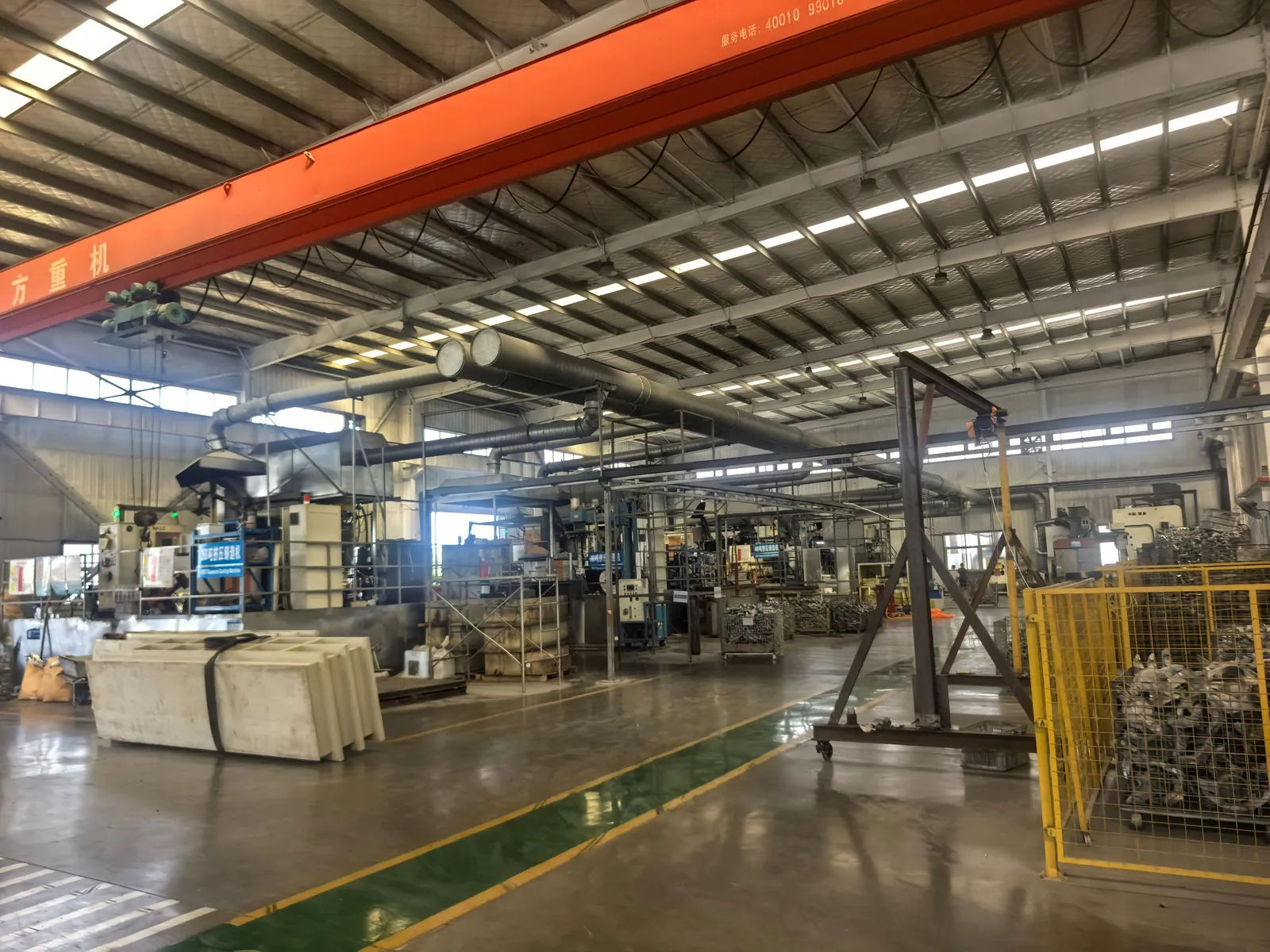
Squeeze casting, also called liquid die forging, is a core manufacturing capability for our aluminum components. Pressure is applied during solidification, followed by the machining and inspection required for structural connections, pump components and housings.
Discuss your part ↗Existing drawings, samples and early concepts are welcome.
WHEN TO CONSIDER IT
Squeeze casting is one option alongside conventional die casting and machining. Geometry, alloy, quantity and validation requirements determine the practical choice.
A bore or sealing face can reveal defects below the cast skin. Review the critical section, machining allowance and internal-quality requirement together.
For an appropriate alloy and process, heat treatment forms part of the route. Define the required properties and where test specimens will come from.
A nearer-to-shape blank may reduce cutting work. Compare tooling investment and remaining machining against the expected production quantity.
MANUFACTURING EXAMPLES
Examples from the manufacturing team's squeeze-casting portfolio. Your part can be simpler, larger or shaped differently—send it for review.
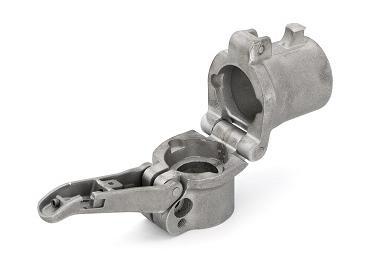
A356.2 · T6
A structural casting with ribs, pivot features and machined interfaces. A useful starting point for discussing strength, fit and machining access.
Ask about a similar part ↗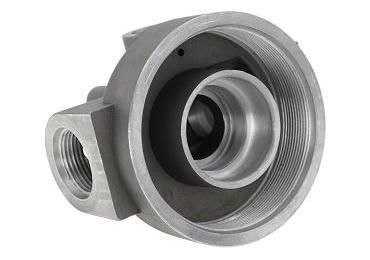
A380
Cast geometry with concentric machined features and threaded connections. Review the sealing interfaces and test requirement with the drawing.
Ask about a similar part ↗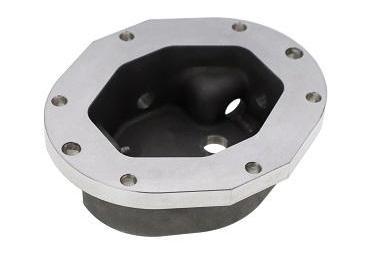
A356
An enclosed cavity with a machined perimeter and fixing holes. The gasket land, hole pattern and internal condition need separate checks.
Ask about a similar part ↗Manufacturing portfolio photographs and listed material conditions. The inspection excerpts elsewhere on this site are separate records and are not attributed to these pictured parts.
FROM TOOL TO FINISHED PART
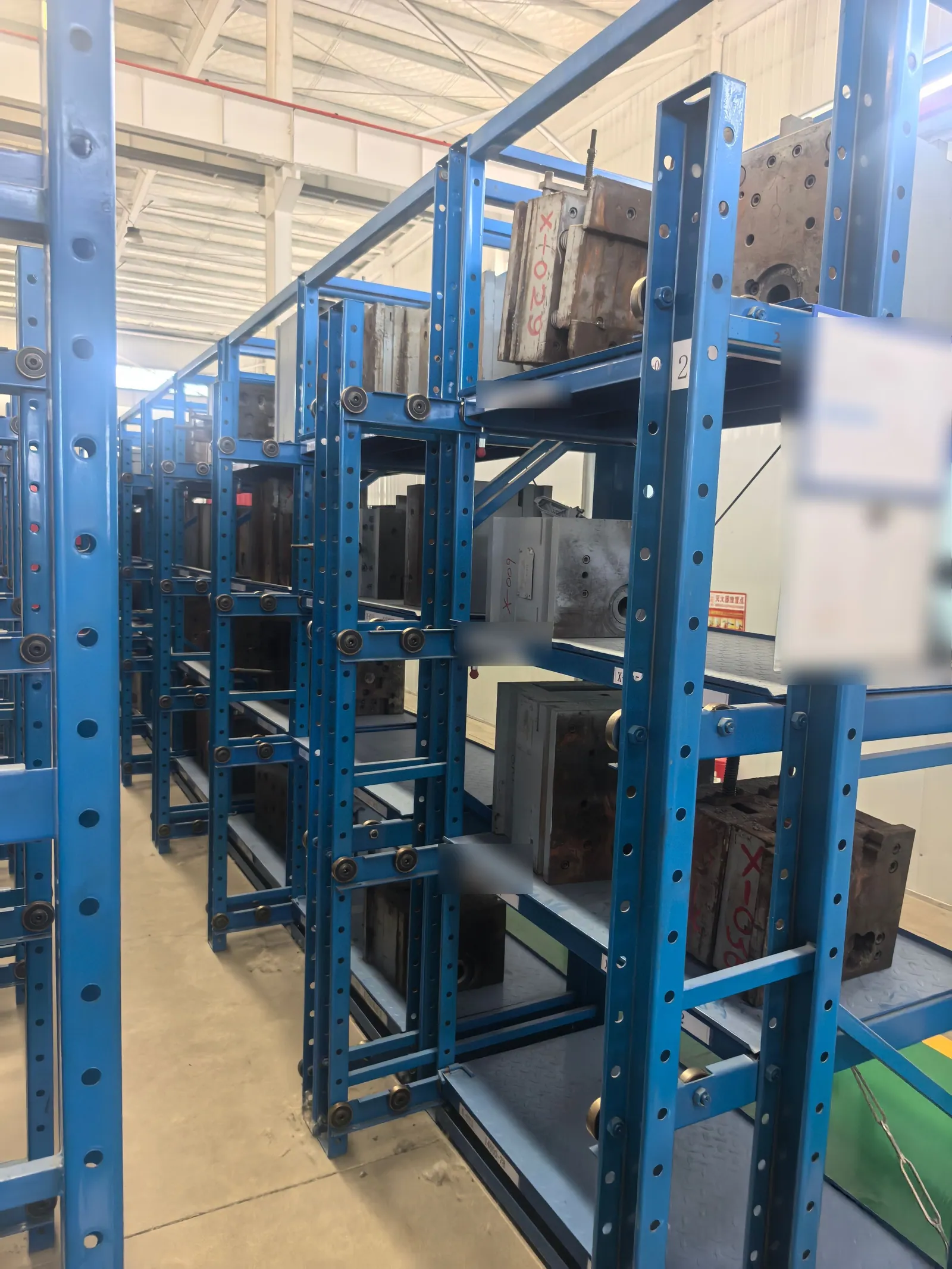
The die defines the main geometry. Feeding, venting and solidification need to work with the wall sections and alloy. Functional bores, threads and sealing faces can then be machined to the drawing.
ALLOY & HEAT TREATMENT
The portfolio includes A356-family components with T6 treatment, as well as parts with different alloy and condition requirements. The same result should not be assumed across different geometries or heat treatments.
For a structural part, identify the required strength and ductility. For a machined housing, include the sealing faces and any leakage criterion. We review the casting route and the acceptance checks as one scope.
A356 material considerations ↗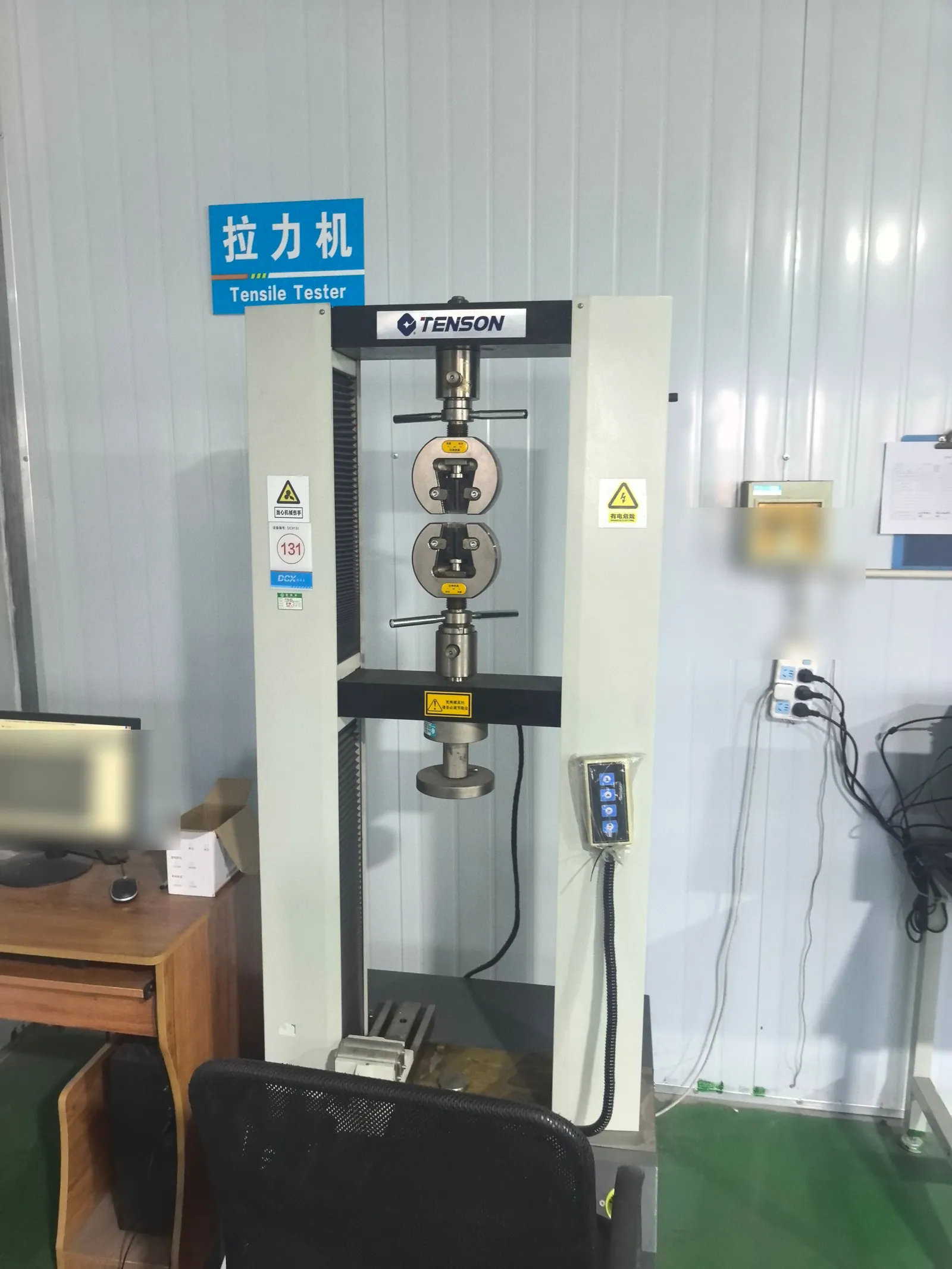
INSPECTION RECORDS
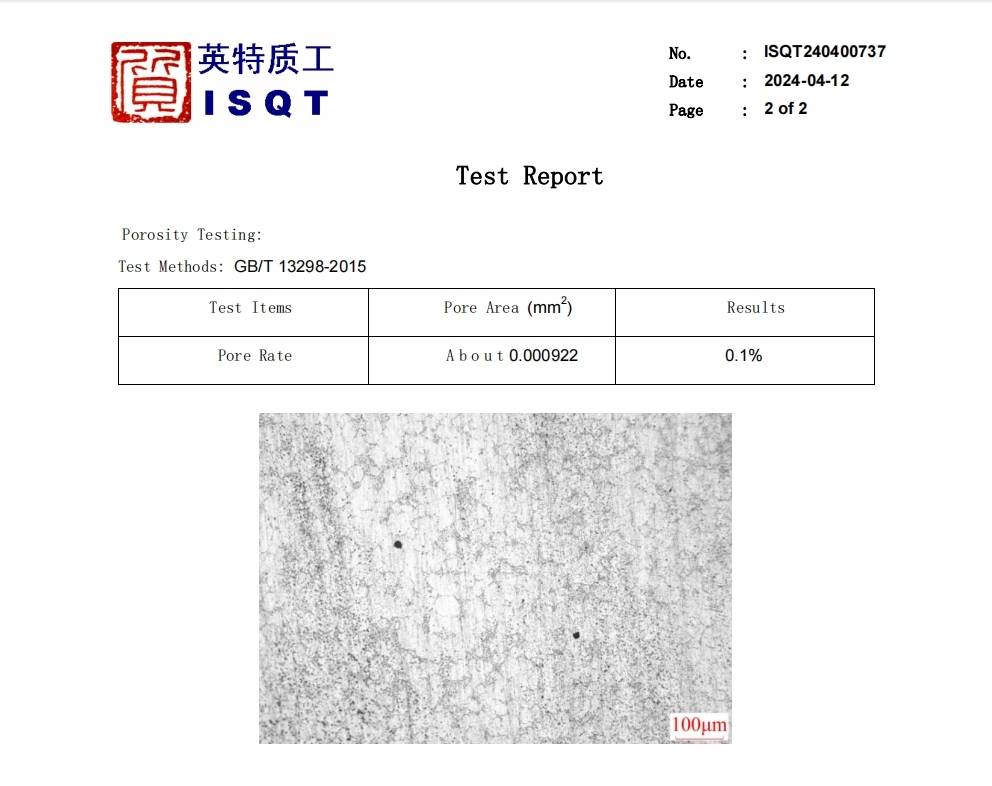
Two records from the manufacturing team's technical archive. Each describes a tested specimen; they are separate examples, not a combined specification for every casting.
 Open report excerpt ↗
01 / METALLOGRAPHIC EXAMINATION
Pore rate recorded in this report
The report combines a measured result with a micrograph and scale bar. This is evidence about the examined section, rather than an X-ray or whole-part CT measurement.
Excerpt: page 2 of 2. Material, specimen identification and sampling details must be read with the complete report. This result is not a universal porosity limit.
Internal-quality inspection details ↗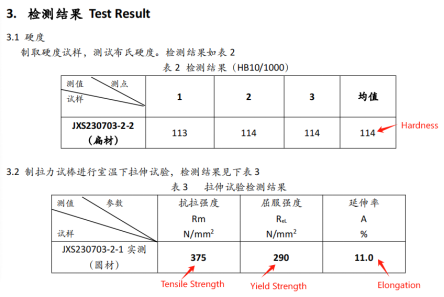 Open test result excerpt ↗
02 / MECHANICAL TESTING
This archived result shows what was measured on the listed specimens. For a new component, the alloy, heat treatment and specimen source belong in the test specification.
Report excerpt; *hardness condition shown as HB10/1000. The excerpt does not identify the alloy or heat-treatment condition. These values are specimen results, not guaranteed production properties.
Explore squeeze casting and heat treatment ↗BEFORE WE QUOTE
It may be worth evaluating where machining effort, internal quality or mechanical requirements drive the project. Send the current part and quantities. The comparison should include tooling, material condition, machining and validation, rather than assume a fixed saving.
No. The excerpts describe particular specimens. Your drawing, alloy, heat treatment, specimen definition and acceptance criteria establish the requirements for your component.
Include the test medium, pressure and permitted leakage if known. The fixture, test duration and part condition must also be agreed. A metallographic result alone does not establish leak tightness.
See leak-test planning ↗Send it too. Conventional aluminum die casting with secondary machining may be the right route. You do not need a demanding strength or pressure specification to inquire.
Aluminum die casting ↗A drawing, photograph or existing sample description is enough to start a manufacturing discussion.