Keep critical surfaces out of contact
Identify the surfaces that cannot rub against another casting: bearing seats, gasket lands, locating diameters and visible coated faces are common examples. Separation and support should keep the part from moving into these areas during handling.
A heavy ribbed casting can damage a lighter cover packed beside it. Consider the mass and shape of each component, not only whether they fit in the same carton.
Plan for the delivered condition
Agree whether parts are delivered loose, in individual protection or in a returnable arrangement. Caps or covers may be useful for openings where contamination would create assembly work. Packing material should not leave unwanted residue on a surface that needs to seal or bond.
Tell the supplier about any special cleanliness or storage requirement before choosing the packing. A general shipping wrap is not evidence that a component meets a defined cleanliness specification.
Make the label useful at receiving
Include the part number, revision, quantity and the agreed lot reference. Keep these identifiers consistent with the delivery paperwork and inspection records so a receiving issue can be traced without opening every package.
For sets containing a body and lid, specify whether they must remain paired. If the parts are interchangeable, packing by component may be simpler; if they were fitted as a pair, that distinction needs to survive shipment.
Review the first delivery
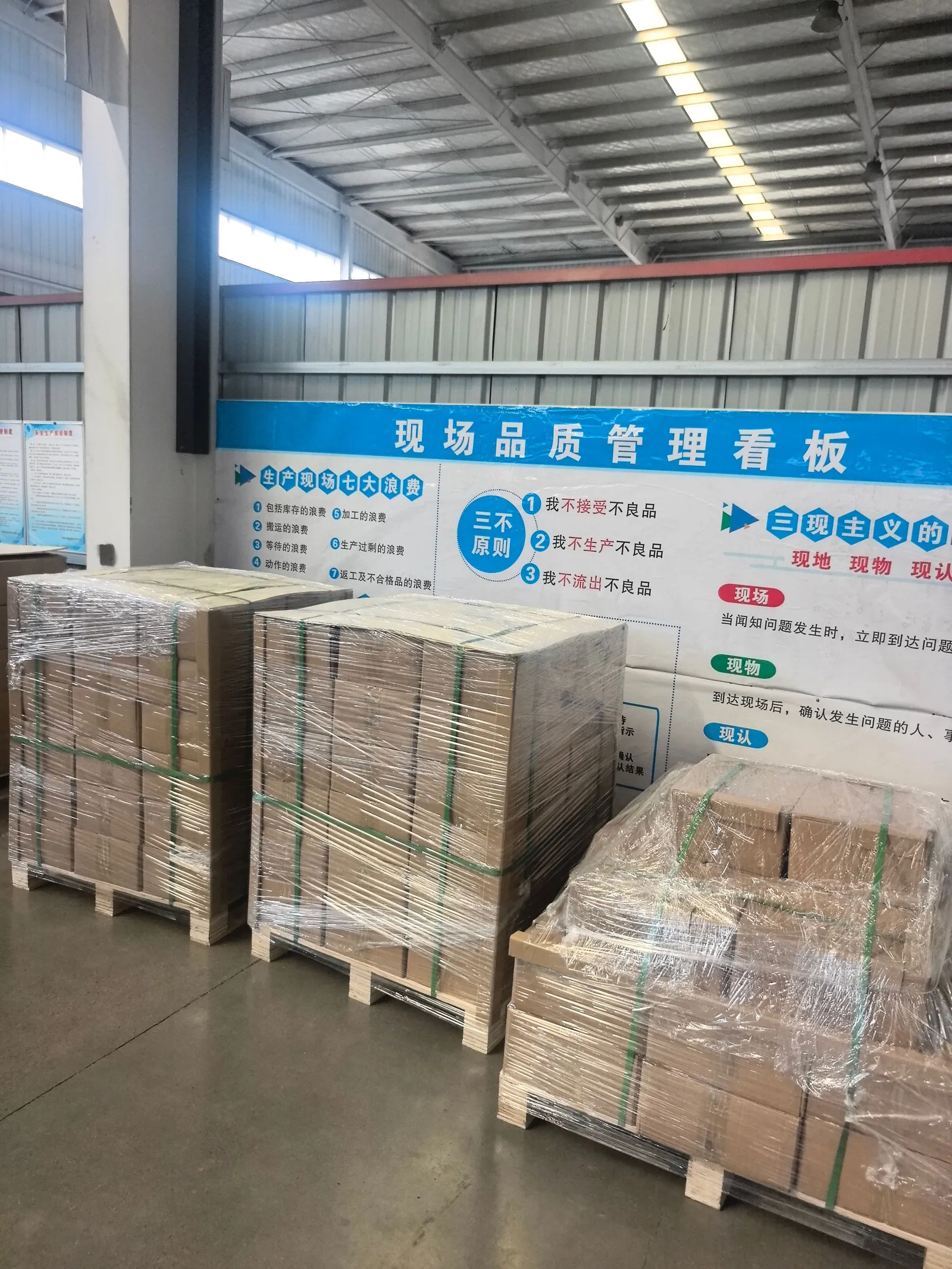
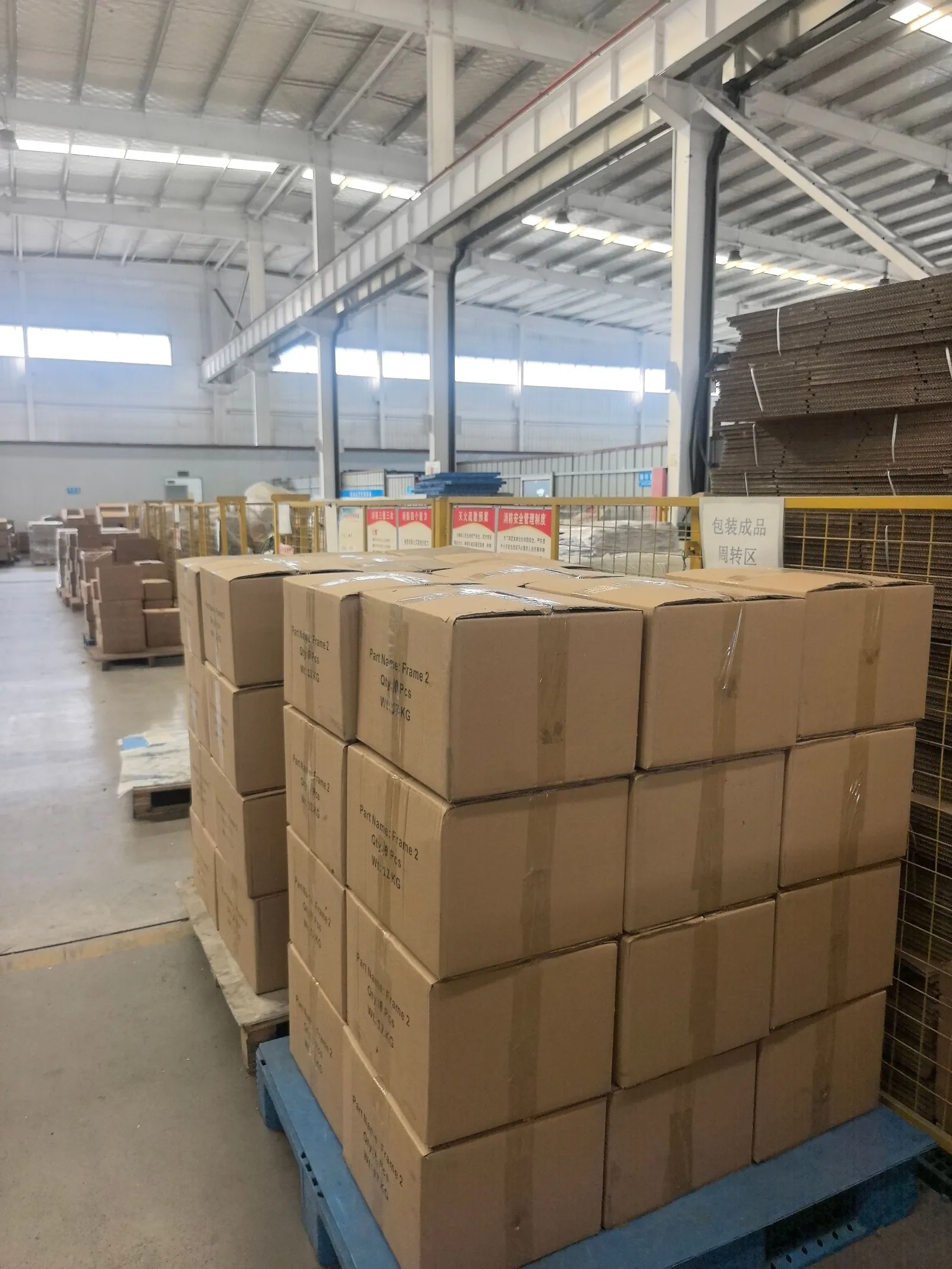
Photograph the packing and any transit marks at receipt. Separate a damaged package from a manufacturing defect in the initial report, while keeping both linked to the part identification. The first shipment is a useful opportunity to improve the protection before repeat orders.
For your inquiry
Share a photograph of the way the part will be stored or fed to assembly if packing needs to work with your receiving process.
Related information
Have a part to discuss?
Send a drawing, a photo or a short description. Tell us what is decided and what you still need help with.
Discuss your part ↗